Sunday, 21 December 2014

Inevitably; the albums (or just releases) of the year 2014

I don't know how many 'albums of the year' I have so I am just going to write about them until I can't be bothered listing any more.

MY ALBUM OF THE YEAR

Collectress - Mondegreen (Peeler Records)

Experimental string quartet Collectress make music that has many moods but is always interesting. On Mondegreen, the sound ranges from the bustling, Steve Reich-ish 'Spell' to the haunting, tense 'Harmonium' to the wistful, minimalistic and strangely nostalgic-sounding 'Owl'. It's a beautiful album, each song creating its own pervasive mood but somehow becoming an entirely coherent whole; and it sounds absolutely nothing like anything else I heard this year.


My other albums of the year, in no order are;


Sonny Simmons & Moksha Samnyasin - Nomadic (Svart Records)

There's a very Miles Davis-y feel to this album, despite the psychedelic and drone elements. The blend of Simmons' sax with Moksha Samnyasin (Michel Kristoff'; sitar, Thomas Bellier; bass, Sébastien Bismuth (drums, electronics) is what great free jazz is about; not aimless noodling, but intuitive, almost telepathic interplay and the exotic atmospheres and intense moods that result.


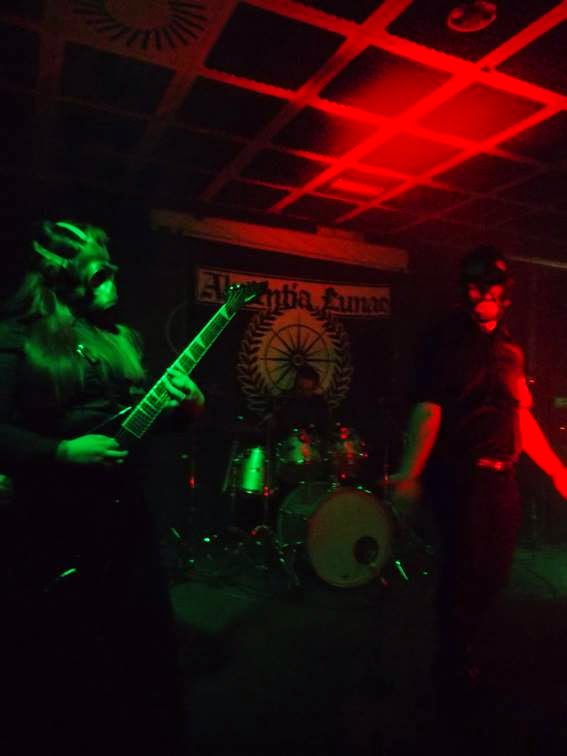
Absentia Lunae - Vorwarts (ATMF)

Absentia Lunae are often dismissed as just another angry semi-orthodox black metal band, but the intensity of their music is matched by the emotional, intellectual and aesthetic power of their vision in a way that is all too rare in the black metal (or any other) scene.


Mirel Wagner - When the Cellar Children See the Light of Day (Sub Pop)

Finnish singer-songwriter Mirel Wagner imbues her low-key, minimalistic music with a palpable sense of darkness and drama, and her first album for Sub-pop records is every but as good as her stunning debut.


Winterfylleth - The Divination of Antiquity (Candlelight)

Winterfylleth's fourth album takes their prescient vision of Anglo-Saxon England to a broader musical canvas; in essence more of the same as always, but bigger, more varied, and even better.


Heikki Hautala - Pyövelin Vaatteet  (Ektro records)
 
Without understanding a word of Finnish, this sparse acoustic album is an intense, haunting and bitter sounding masterpiece.


John Baizley, Nate Hall & Mike Scheidt - Songs of Townes Van Zandt Vol II (My Proud Mountain)

Powerful versions of Townes Van Zandt's earthy folk/blues songs, all the better for the starkness of the recordings.


Empyrium - The Turn of the Tides (Prophecy productions)

The polar opposite of the Townes Van Zandt album, except in mood, this is a rich, lush epic of melancholy atmospheres for which the word 'sonorous' was invented. Absolutely beautiful and almost impossible to categorise.


Le Butcherettes - Cry is for the Flies (Ipecac Recordings)

As reference points like The Birthday Party, PJ Harvey, Babes in Toyland and The Stooges suggest, intensity is the key aspect of this ferociously memorable album.


Scott Walker & Sunn O))) - Soused (4AD)

Somehow just slightly less good than either Scott Walker or Sunn O)))'s usual records, this remains an interesting, brave, surprisingly listenable - if somewhat indigestible - meeting of giants.


Vanhelga - Längtan (Art of Propaganda)

The almost-traditional-metal style sleeve painting on the cover of this album couldn't be much more misleading; anyone expecting a barrage of aggressive riffs will be severely disappointed by this melodic, wistful, yet chaotic album. The music is fragile and mostly light in tone, with acoustic guitars, loose percussion and emotive guitar solos underpinning the general pained, peculiarness of the self-destructive art on display.


Nebelung - Palingenesis (Temple of Torturous records)
 
This instrumental 'dark folk' album is probably one of my most listened-to albums of the year; beautifully atmospheric music that seems imbued with the essence of autumn


YOB - Clearing the Path to Ascend (Neurot Recordings)

This immense album brings together the monolithic heaviness of earlier YOB releases with the subtlety of Mike Scheidt's horribly underrated acoustic solo album Stay Awake - and does it brilliantly.


Abigor - Leytmotiv Luzifer (Avantgarde Music)


Orthodox, old fashioned Satanic black metal needn't be unambitious; this was an intense, operatic and unnerving gesamtkunstwerk.


Tara Jane O'Neil - Where Shine New Lights (Kranky records)

A lovely, dreamlike but not insubstantial album - fragile and comforting and NICE. The opposite of dynamic (and indeed of Abigor).


and.... nearly made it:
 
Myrkur - great EP, but the hates-attention-but-ponces-about-in-videos and general 'leave me alone but interview me' attention-seeking nonsense around the act leaves a bad taste.
 
Pixies - Indie Cindy - not bad, wanted to love it, but it doesn't live up to Frank Black's solo career, let alone anything the Pixies ever made before

Mayhem - Esoteric Warfare - good - very good even, but whereas Ordo ad Chao demanded repeated listens to even get used to, Esoteric Warfare becomes a bit boring after a while
 
Venusian Death Cell - Abandonned Race and Honey Girl: David Vora is as prolific as always and his home-made, almost free-jazz approach to songwriting is hit and miss but compelling either way
 
Taatsi - Amidst the Trees  -atmospheric black metal done properly

1349 - Massive Cauldron of Chaos (Indie Recordings) - in a different mood this would have made the list

Sólstafir – Ótta (Seasons Of Mist) - a really good album but I just slightly prefer Svartir Sandar

Primordial – Where Greater Men Have Fallen (Metal Blade) - a great album that I need to give a few more listens.

Aphex Twin - Syro - really liked it, then forgot about it, making me doubt its value


Monday, 24 November 2014

Darwin, "chameleons" etc; transformative careers in popular music

Some artists - some whole genres even - are defined by the ability to endlessly create something new out of the same elements. The consistent vision and approach of bands like AC/DC or The Ramones makes for discographies whose worst moments are boring failures rather than daring ones. The temptation was to reference Lou Reed's Transformer in the title of this article, but despite Metal Machine Music, Reed was one of those artists whose good albums are essentially good versions of his bad albums and vice versa.

On the other hand, there are many artists whose work underwent a distinct, fundamental change (or several) at some point and never quite reverted back to its original form. Here are some;

Tom Waits

For the first few years/albums of his career, Tom Waits was a beatnik-influenced bluesy, jazzy, barroom type singer and raconteur with a somewhat husky voice and a penchant for Bukowski-esque vignettes; and he was great.
Throughout the 1970s the singer lived an unsettled, Kerouac-like existence marked by periods of heavy drinking, and over the series of albums he recorded for Asylum records in the 70s his voice got progressively more gravelly and the music eventually became darker, less jazz and more blues/rock-inflected.
As the 70s ended, the danger of becoming a water-treading cliché loomed, but around the time he married screenwriter Kathleen Brennan (a major influence on his subsequent work), Waits began simultaneously to strip his music down to its basic components, while also incorporating new (and mostly musically archaic, pre-rock) elements and instruments . This not only gave Waits a new beginning and a new audience, it also made his music innovative, belonging to no particular tradition but borrowing from vaudeville, folk, rock, blues and even industrial music.

Definitive early work:
Nighthawks at the Diner (Asylum, 1975)


This album, recorded live in front of a small audience, showcases Tom Waits' beatnik raconteur style perfectly; though the songs aren't as consistently great as on the previous year's Heart of Saturday Night or indeed the series of albums that was to immediately follow it, the warmth and humour of his performance makes this probably the most representative  Tom Waits album of the 70s. (The best Tom Waits work of the 70s is probably '76's Small Change).

Definitive later work:
Swordfishtrombones (Island, 1983)


Swordfishtrombones was the first of the new style Tom Waits albums, and it's a microcosm of what was to follow: stripped down, feral blues (Gin Soaked Boy), bizarre, edgy and clattering first-person songs tapping into the alarming lives lived on the fringes of society (16 Shells from a Thirty-Ought-Six, Trouble's Braids), evocative narratives (In The Neighborhood, Soldier's Things, Town With No Cheer) and tender ballads (Johnsburg, Illinois) all enriched by the strange textures of unusual or archaic instruments alongside the usual pianos, bass and guitars.

Satyricon

Back in the early 90s, Satyricon were among the teenage black metal fans/musicians on the fringes of the notorious church-burning scene, and their music, great though it was, is exactly what one would expect. Towards the end of the 20th century, Satyr Wongraven, like many of his contemporaries, began to feel constrained by what had come to be seen as the trademarks of the Norwegian BM sound (and indeed the whole tired idea of 'True Norwegian Black Metal') and stripped the band's work of the kind of folksy, medieval, romantic, vampiric aspects that had by now been adopted by black metal worldwide, and stripped the music to its essentials, adding forceful rock-influenced riffing and the occasional industrial bit; not always successfully, but something needed to be done to avoid stagnation and they did it.

Definitive early work:
Dark Medieval Times (Moonfog, 1994)

Simply one of the great albums of the 90s Norwegian scene, Satyricon's debut is as cold, grim and frostbitten as one could want, with added atmospheric medievalism; forests, castles, snow, mist, pestilence; everything about it is exactly right, despite the extremely perfunctory NWOBHM style sleeve art.

Definitive later work:
Now, Diabolical (Roadrunner, 2006)

Far from universally adored, especially by wrong people, Now Diabolical, is perhaps the modern, commercial black metal album. Commercial by BM standards that is; though the riffs here are catchy and anthemic, the tightly controlled tunes on this album are definitive examples of intense, aggressive metal.


David Bowie

Bowie is a special case; he has transformed his style and appearance successfully more than perhaps any other artist. Nevertheless, it's not unfair to say that up to a certain point he was an innovator and after that point he wasn't. Unlike most people here it's impossible to name one definitive early work, so here are a few:

Definitive Early Work(s):
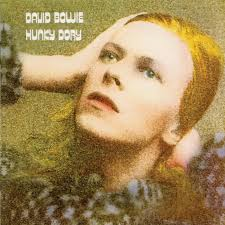
Hunky Dory (RCA, 1971)

Bowie's fourth album (and his last pre-glam/pre-fame one)is possibly his best album, just a great collection of pop and rock songs of various kinds
or
Aladdin Sane (RCA, 1973)

Arguably the definitive Bowie glam album, more 'rock' than predecessor Ziggy Stardust, but also more subtle and eclectic

Definitive mid-period works:
Young Americans (RCA, 1975)

This collection of 'plastic soul' songs was one of Bowie's most surprising reinventions, in some ways more commercial (in the US at least) but also a bit more peculiar. Especially great as a reissue that includes bonus track 'Who Can I Be Now?', possibly the best song on the album, when it's on it.
or
Station to Station (RCA, 1976)

Hugely atmospheric and at times seriously creepy, Station to Station is one of the oddest accessible records made by a commercially successful artist ever.

Definitive later work
The Next Day (ISO/Columbia, 2013)

Less self-consciously fashionable-sounding than most latterday Bowie, but even more self
referential, this album easily stands up to at least second-division classics like Scary Monsters or "Heroes", if not among his true classics.


Depeche Mode

From the Vince Clarke-penned camp synth-pop of their debut to their current somewhat middle-of-the-road rock, Depeche Mode, like The Cure, have been through more changes than most bands, but without ever losing their core identity, thanks both to Dave Gahan's instantly recognisable voice and Martin Gore's not-always-great but heartfelt lyrics.

Definitive Early Work:
Construction Time Again (Mute, 1983)

Pretty much as radical as a catchy, chart-friendly synth-pop album can be, Construction Time Again is recognisably the band who made A Broken Frame (and even Speak And Spell) but with proto-industrial sampling and glacial critiques of big business and 80s capitalism.

Definitive Later Work:
Songs of Faith and Devotion (Mute, 1993)

Although the band had been using guitars since the mid 80s (but most notably on their masterpiece Violator), this was the album where the industrial and rock aspects came together without one aspect swamping the other.


Suicidal Tendencies

Suicidal Tendencies were part of a whole generation of bands marrying hardcore punk and metal (D.R.I., Agnostic Front, Cro-Mags etc etc) but whereas many such bands brought social and political themes to the sometimes fantastical world of metal, ST brought their own melancholy themes of alienation and personal angst; it worked really well.

Definitive Early Work:
Suicidal Tendencies (Frontier Records, 1983)

Pretty much a hardcore album, even if a peculiar one, the band's debut consists of short, angry songs, some ('Fascist Pig') typically punk in outlook , others like the classic 'Institutionalized' being perfect encapsulations of Mike Muir's troubled vision.

Definitive Later Work:
How Will I Laugh Tomorrow... If I Can't Even Smile Today (Epic, 1988)

NOT the perfect punk/thrash crossover, but definitely the perfect ST/thrash crossover; all the misery, enhanced by Muir's better-than-ever vocals, but backed by catchy, commercial thrash riffs: great.


Pixies

After creating one of the most immediately identifiable musical and aesthetic styles in alt. rock, Pixies main songwriter Black Francis (later Frank Black) switched to something equally distinctive, if less good.

Definitive Early Work:
Come On Pilgrim (4AD,1987)

The band's first release (eight songs from their demo) is as good as anything they released; all the trademarks are there; the acoustic strumming, jagged leads, primitive bass and smooth/screeched vocals, plus the Spanish language-enhanced seedy atmosphere, captured perfectly in Vaughn Oliver's sepia artwork

Definitive Later Work:
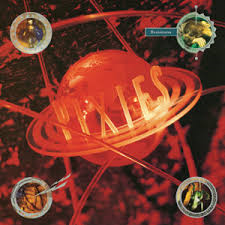
Bossanova (4AD, 1990)

Gone were most of the jagged edges, plus the moody artwork, replaced by catchy,
idiosyncratic pop/rock songs, surf guitar and (already a theme in their earlier work) aliens and UFOs, now matched by bright, colourful artwork with only hints of the unsettling, totemic quality of earlier releases. As alt. rock albums of its era go, it's pretty great nonetheless.


Scott Walker

From ever-so-slightly-square 60s pop star to avant garde performer whose work is the epitome of 'acquired taste', Scott Walker is always worth a listen.

Definitive Early Work:
Scott 2 (Phillips, 1968)

A strange mix of Brel songs of various hues ('Jackie', 'Next', 'The Girls and the Dogs') and highly orchestrated, thoughtful baroque pop songs, Scott 2 follows a pattern set by Walker's debut solo album, although each of his first four (numbered) albums was darker than the last.

Definitive Later Work:
The Drift (4AD, 2006)

Bizarre, claustrophobic, unmelodic and deeply unsettling, The Drift could never be accused (as his early work sometimes is) of being easy listening, but it's a memorably harrowing piece of work.

The Beatles

Probably the first pop musicians to have a career long enough to go through major stylistic changes and have the artistic control to instigate them, The Beatles set the template for rock music as an artistic as well as commercial path.

Definitive Early Work:
With the Beatles (Parlophone, 1963)

The definitive Beatlemania album, With the Beatles is a collection of rock 'n' roll, soul, pop and even show tunes, all Beatles-ified to form a coherent whole.

Definitive Later Work:
The Beatles (Parlophone, 1968)

Like With the Beatles, the White Album brings together many disparate styles (and the distinctive voices and songwriting approaches of the four Beatles) in a way that is somehow cohesive.